





Why the Right Headboard Matters
A headboard can change the way your bedroom feels without replacing every piece of furniture. It gives the bed a defined place in the room, can make sitting up more comfortable and, in some designs, creates a handy spot for small belongings. The challenge is choosing one that works with your existing bed as well as the look you have in mind.
Before comparing colours and shapes, work out how you actually use the bed. Someone who reads upright every evening may value a padded surface, while someone who wants a cleaner bedroom outline may care more about the headboard’s proportions and how it fits against the wall.
Start with the Purpose, Not Just the Style
Think about the headboard’s main job. Is it a decorative backdrop for cushions, a surface to lean against, or an opportunity to add shelves in a bedroom with limited floor space? A tall upholstered headboard can feel inviting for reading. A simple timber panel may suit someone who prefers a firm surface and uses pillows for support.
Storage-style headboards can be useful for books or small items, but the available shelf space and cable openings vary. Choose the function you will use rather than assuming the most feature-packed option is automatically better. The guide to creating a relaxing bedroom on a budget has related ideas for keeping the rest of the room considered without overcrowding it.
Measure the Bed and the Available Wall
Measure the full external width of your bed frame or base, not only the mattress. Check the proposed headboard’s actual width, height and depth, including any projecting side wings. Some designs sit close to the bed edges; others intentionally extend beyond them. Neither approach is universally right, but the finished proportions should suit your room.
Also measure the wall between windows, doors and bedside furniture. A headboard that looks slim online may cover a nearby light switch or sit awkwardly against a skirting board. If you already own your bed, check its size and connection points before ordering a separate headboard. Taking a photograph with your measurements can help you compare different designs later.

Choose a Height That Suits the Room
A taller headboard can create a strong focal point, particularly on a broad, uncluttered wall. A lower design may feel calmer in a compact room or one with a low ceiling. Look at the height relative to your pillows and mattress: a very short panel can disappear behind thick bedding, while a taller one may compete with artwork or a window above the bed.
Use painter’s tape to mark the proposed outline on the wall. Step back and view it from the doorway, then sit on the bed to see where your shoulders and head would meet the surface. This simple test helps with both visual balance and everyday comfort.
Compare Materials for Feel and Care
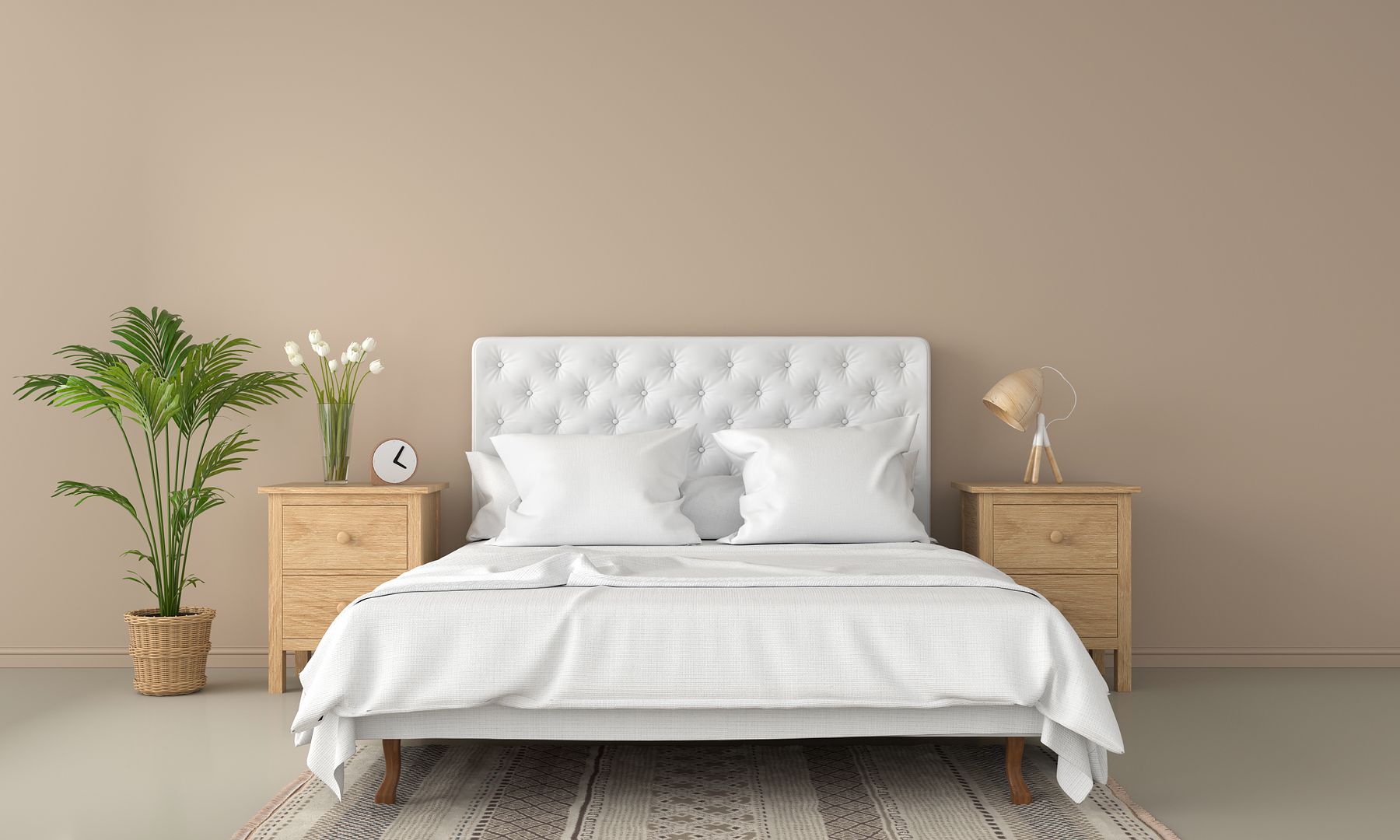
Upholstered headboards bring softness and texture. Fabric, velvet and padded panels can suit a cosy bedroom, especially if you like to sit up with a book. Check whether the cover is fixed or removable and read the material’s cleaning instructions; not all fabric headboards can be spot-cleaned in the same way.
Wood creates a different impression through natural grain or a painted finish and is often easy to coordinate with timber furniture. Metal and rattan designs can offer a lighter, more open profile, although finishes and upkeep vary. There is no material that is best for every home, so weigh comfort, cleaning and the look you want rather than choosing on appearance alone.
Shape and Storage: What Will Actually Help?
A straightforward rectangular panel is often the easiest shape to work into a room. Curved, wingback or tall channelled designs make a stronger statement and may take extra wall space. A slatted headboard shows more of the wall behind it; a bookcase-style design can add accessible storage but also introduces more surfaces to dust.
If bedside space is limited, shelving built into a headboard may be worth considering. Check how much usable space it offers and where a lamp or charger could sit without getting in the way of bedding. Only rely on lighting, shelving or cable-management features when the specific product description confirms them.
Check How the Headboard Is Installed
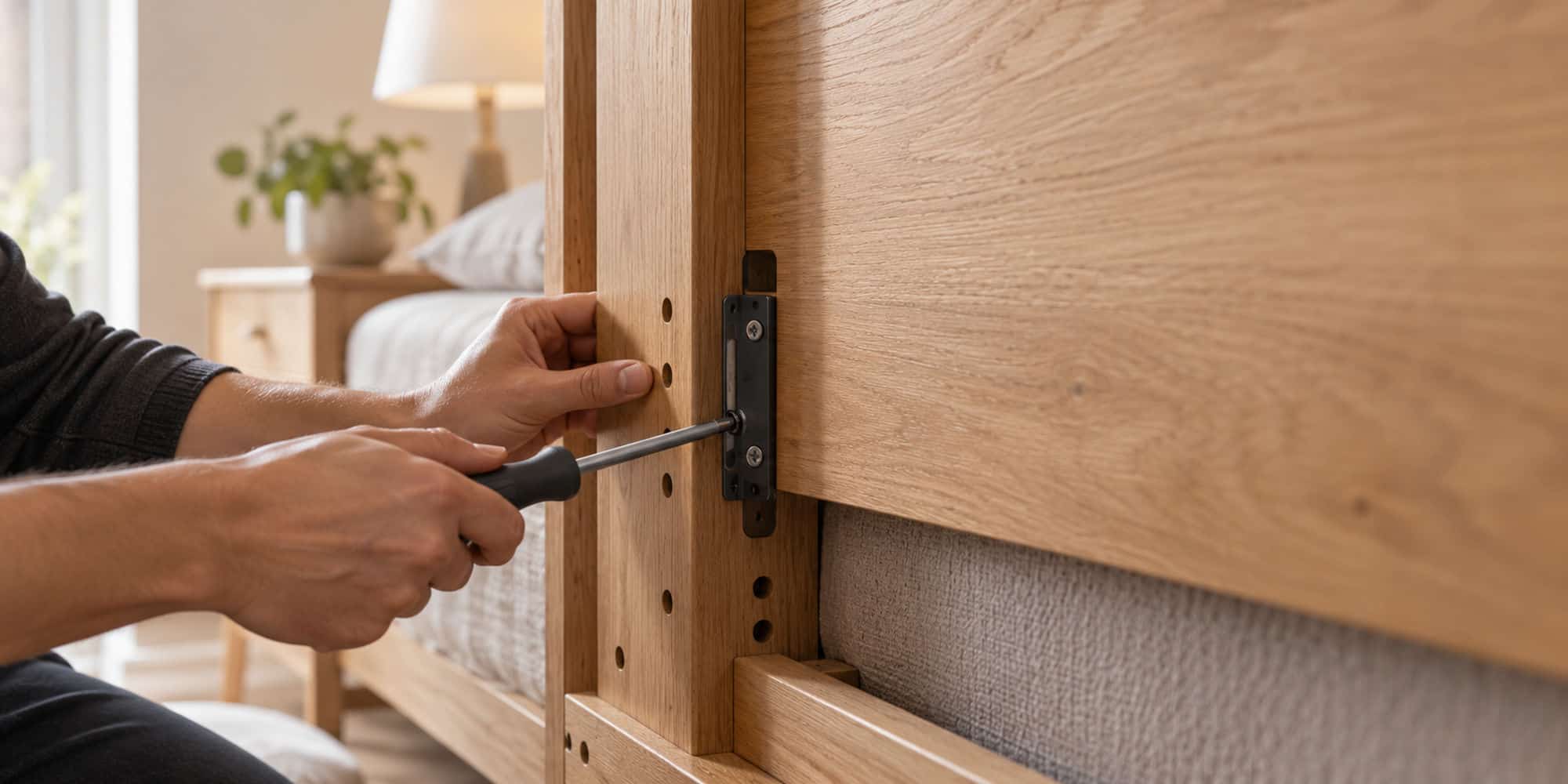
Installation is one of the most important checks when buying a headboard separately from the bed. Frame-mounted designs need compatible brackets and fixing positions. Wall-mounted versions attach to the wall and need suitable fixings for that wall material. A freestanding design can be a different option, but it may still need to stand against a wall for stability.
Do not assume a headboard will attach to any frame simply because the widths appear similar. Check the installation instructions, supplied hardware and whether the manufacturer requires wall fixing or additional support. If you rent or prefer not to drill, confirm that a suitable installation method is available before buying.
A Quick Headboard Buying Checklist
Before ordering, make sure you can answer these questions:
• Does its width suit your bed frame and wall space?
• Is the visible height right above your mattress and pillows?
• Will you enjoy leaning against the material, if that matters to you?
• Can you maintain the chosen finish or upholstery?
• Is the mounting method compatible with your bed and wall?
• Are any shelves or other advertised features actually included?
Answering those questions early avoids having to make a beautiful headboard work in an impractical space.
Final Thoughts
The best headboard is the one that fits your room and the way you use your bed. Start with accurate measurements and installation requirements, then choose the material and shape that feel natural alongside your existing furniture.
If you want to compare different looks, explore our headboards and check each listing’s dimensions and fitting instructions. A good decision is about a comfortable, well-proportioned bedroom rather than simply choosing the boldest design.
FAQ
Should a headboard be wider than the mattress?
Not necessarily. Some headboards align closely with the bed, while others extend past the sides as a design feature. Compare the headboard width with the complete bed frame and available wall, not a universal extra-width rule.
Can I attach any headboard to my existing bed?
No. Bed-frame fittings and brackets vary, and some headboards require wall mounting or a particular base. Check the exact connection method and manufacturer instructions before buying.
Is an upholstered headboard better for reading in bed?
A padded surface may feel softer when you lean back, but comfort depends on the shape and firmness of the padding. A timber headboard can also work well with supportive pillows.
Do freestanding headboards need to be fixed to the wall?
It depends on the design. Some freestanding models must be positioned against a wall for stability, while others have different installation instructions. Always follow the product-specific guidance.