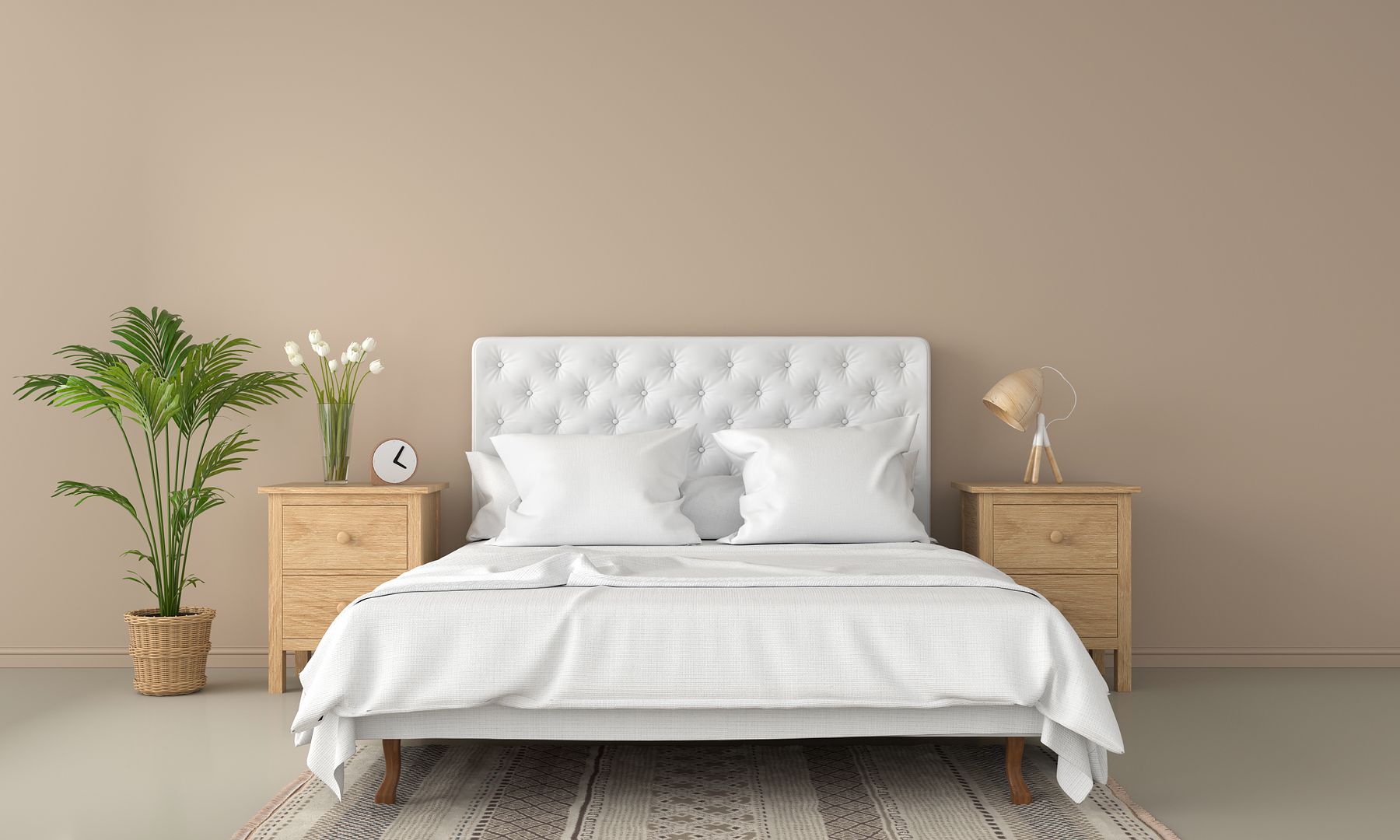







Start with How You Want Your Sheets to Feel
Choosing bed sheets is easier when you begin with feel rather than a brand name or a large thread-count number. Some people love cool, crisp sheets, while others prefer a smooth, drapey finish or a cosy texture in winter. Think about how warm your bedroom gets, whether you like a freshly pressed look and how often you want to wash your bedding.
The best sheets for your home should also fit the mattress properly and be practical to care for. It is worth checking those details before deciding which colour will look nicest on the bed.
Compare Bed Sheet Materials
Cotton is a useful all-round choice. It is a natural fibre that absorbs moisture, comes in different weaves and is generally straightforward to wash. The feel can vary considerably between cotton sheets, so check the weave and fabric construction rather than assuming every cotton set will be identical.
Linen, made from flax, has a more relaxed texture and can feel breathable in warm weather. It often creases readily and may soften with use, making it attractive if you like a lived-in look. Some synthetic and blended sheets can be less expensive or easy-care, but their feel and moisture handling can differ from cotton and linen.
Sheets described as bamboo are often made from regenerated cellulose, such as viscose or rayon sourced from bamboo. Look at the actual fibre-content label instead of assuming that ‘bamboo’ means an untreated natural-fibre fabric. Whatever you choose, the material and finish should suit how the bedding will be used.
Percale vs Sateen: Know the Weave
The fibre tells you what the sheet is made from; the weave helps explain how it feels. Cotton percale typically has a crisp, matte finish. It is a sensible option if you like sheets with a fresh, light feel rather than a glossy surface.
Cotton sateen usually feels smoother and has a subtle sheen and softer drape. Neither is automatically better: a light percale sheet and a heavier sateen sheet will feel quite different, but yarn quality and finishing matter too. For colder evenings, brushed flannelette can provide a warmer, softer surface. Pick the texture you enjoy, not simply the weave with the most impressive description.

What Does Thread Count Really Tell You?
Thread count usually describes how many threads are counted in a specified area of woven fabric. However, CHOICE notes that counting methods are not standardised, and multi-ply yarns can make a number look much higher without giving you proportionately better sheets.
For cotton sheets, a thread count around 200–400 can already offer good comfort and quality. Treat that as a useful reference point, not a rule that every sheet must meet. Fibre quality, yarn construction, weave and finishing are at least as important as the number printed on the packaging. You do not need to chase four-digit thread counts to buy comfortable bedding.
Choose the Correct Size and Fitted-Sheet Depth
First check whether you need single, king single, double, queen or king sheets, then compare the manufacturer’s actual measurements with your mattress. Bed sizes can sound familiar while sheet sets vary in their stated dimensions. If you are unsure about the mattress size, our Australian bed size guide helps you identify the main sizes.
Measure mattress depth as well as length and width. A pillow-top mattress or added topper may need a fitted sheet with a deeper pocket. The elastic should stay under the mattress without stretching excessively or bunching at the corners. Also check whether you are buying a fitted sheet alone or a set that includes a flat sheet and pillowcases.
Think About Seasons and Sleeping Temperature
In many Australian homes, the sheet you prefer in January will not be the one you reach for in July. Cotton or linen may appeal to someone who wants breathable bedding in warmer weather, while brushed flannelette is a practical choice for a cosy winter bed. Fabric weight matters too: two sheets made from the same fibre can feel different when one is much thicker.
Think about your actual bedroom conditions, not just seasonal labels. A cool sleeper in an air-conditioned room may enjoy a different weave from someone whose bedroom stays warm overnight. If possible, compare fabric swatches by touch before buying.

Check Care Instructions Before Buying
The right sheet is one you can comfortably maintain. Look at the washing label, including recommended temperature, drying instructions and whether any special treatment is required. Linen, delicate fabrics and some finishes can need more attention than an everyday cotton set.
Wash and dry sheets according to their label, avoid overloading the machine and pay attention to care guidance about tumble drying. Having a second set in rotation can also make laundry days simpler. A fabric that feels wonderful in the shop may be less appealing if its care routine does not fit your household.
A Quick Bed Sheet Buying Checklist
Before placing an order, check these essentials:
• Fibre content: does the label clearly state what the sheets are made from?
• Feel and weave: do you prefer crisp percale, smooth sateen or brushed warmth?
• Fit: have you confirmed mattress size and the fitted-sheet pocket depth?
• Set contents: are the flat sheet and pillowcases included, if needed?
• Care: can you follow the washing and drying instructions?
• Value: are you comparing construction and fabric quality, not thread count alone?
These checks help narrow the choice without turning an everyday bedding purchase into a complicated research project.
Final Thoughts
Choosing bed sheets comes down to a few useful priorities: a fabric you enjoy touching, a weave suited to your comfort preferences, the right mattress fit and a care routine you can manage. Thread count can be one piece of information, but it should never be the only deciding factor.
When you are ready to compare colours and available options, browse our bed sheets and read each product’s composition, measurements and care information before buying.
FAQ
Are higher thread count bed sheets always better?
No. CHOICE explains that very high numbers can reflect multi-ply thread-counting methods. Look at the actual fabric, weave and workmanship as well as the stated count.
What is the difference between cotton percale and sateen?
Percale is generally crisp and matte, while sateen feels smoother and tends to have a slight sheen. Both can be made from cotton; they describe how the yarn is woven, not different cotton species.
How do I know if fitted sheets will fit my mattress?
Compare the stated length and width with your mattress, then measure its depth including any topper. The fitted-sheet pocket must be deep enough to wrap securely under the corners.
Which sheets are best for summer in Australia?
Lightweight cotton or linen may be suitable if you prefer breathable bedding. The fabric’s weave and weight, room temperature and your own preferences all affect how comfortable a sheet feels.